Wigs are one of the key elements in shaping the character image in Cosplay. However, wigs often get damaged during use. One day I looked up reddit and see a cosplay lover asked how to repair the yugi muto wig that is about to fall apart., which reminded me some of you might have trouble in fix cosplay wigs or select glues,so let's talk about it.
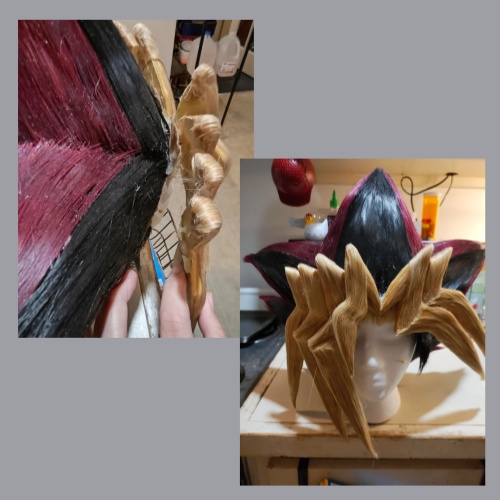
Take the cosplayer's Yugi Muto wig as an example: the front and back sections of the wig had both come loose, and there were obvious traces of previous repairs with hot melt glue. Therefore, we plan to remove the old glue and reattach the separated part. In addition, due to the characteristics of this shape, in addition to bonding, we also need to consider providing strong support
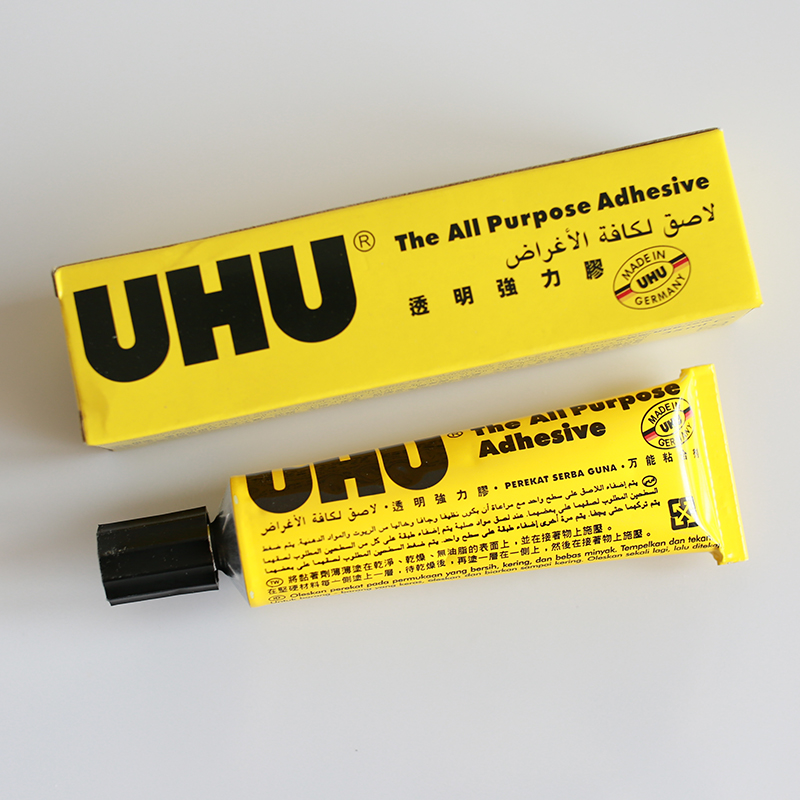
1. UHU Glue 💎💎💎💎
UHU Glue offers rapid drying and crystal-clear transparency, making it a safe choice for delicate materials like feathers, sequins, or fine fabrics. Its low toxicity formula minimizes risks, while water-soluble properties allow for easy cleanup. However, its adhesion strength falls short for heavy-duty applications such as securing full headpieces or thick hair extensions. Instead, it excels in small-scale tasks like attaching lightweight decorations or fixing stray hairs, though it should be avoided in sweaty or humid environments where moisture can compromise its hold.
2. Tacky Glue 💎💎💎💎
Tacky glue dries to a soft, flexible finish that preserves the natural volume and flow of wigs, preventing stiffness or clumping. Its high initial tack allows for easy repositioning of lightweight decorations like fabric flowers, ribbons, or paper accessories. While it offers convenience with water-soluble cleanup, its major limitation is durability: the adhesive yellows and turns cloudy within 1–2 days, compromising the wig’s aesthetic appeal. As a result, it’s best suited for short-term, low-stress uses rather than long-lasting installations.
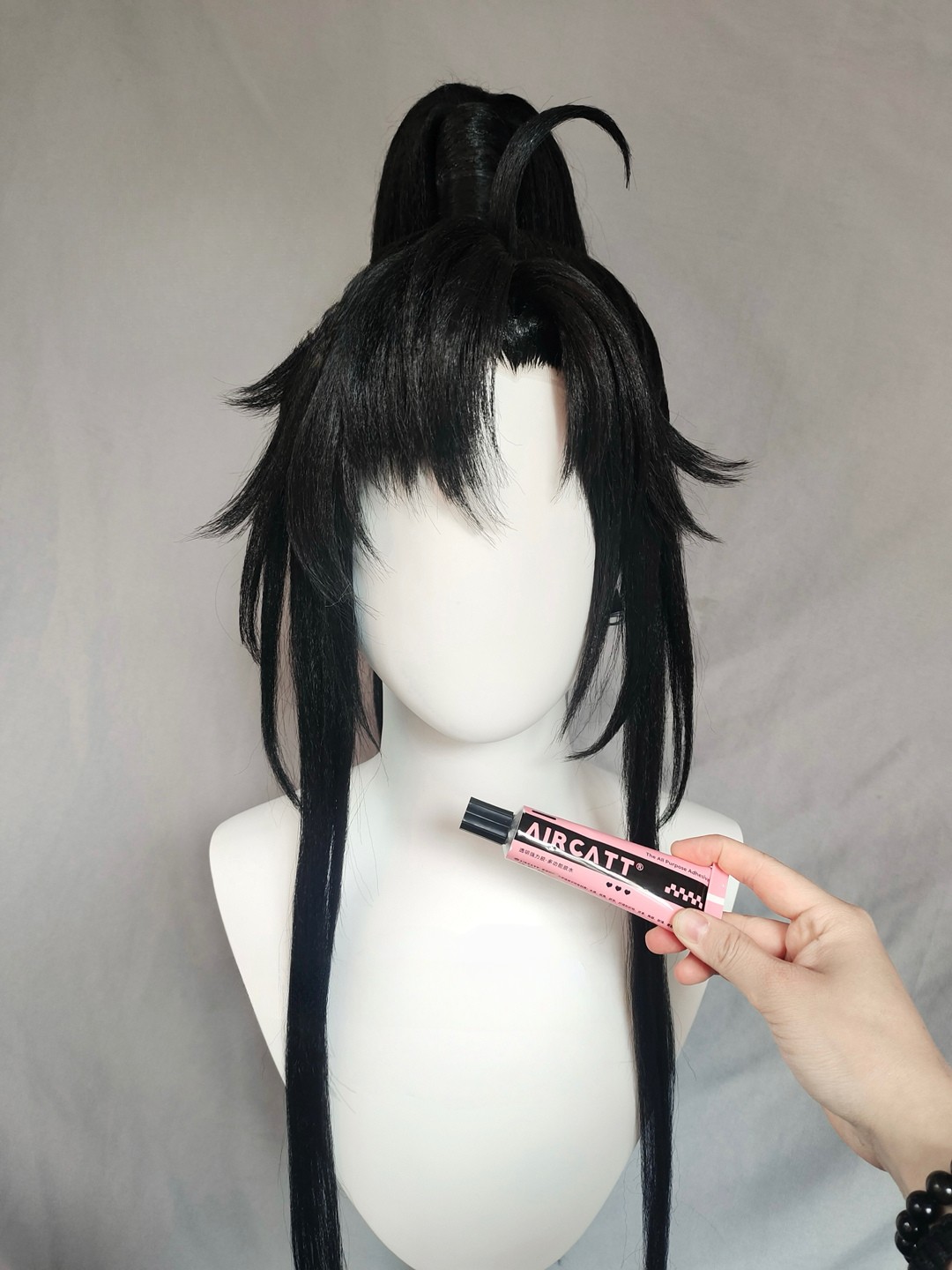
3. Silicone Glue 💎💎💎💎
Silicone glue creates a resilient, elastic film that withstands extended wear, making it ideal for high-movement scenarios like outdoor photo shoots or energetic performances. Its waterproof and sweat-resistant properties ensure long-lasting adhesion even in challenging conditions. However, its major drawback lies in the lengthy curing process—it requires a full 24 hours to set completely, ruling it out for last-minute touch-ups. Additionally, removing silicone glue demands specialized removers; failure to do so properly can leave residue that tangles and damages wig fibers.
4. Contact Adhesive 💎💎💎
Contact adhesive provides an instant, rock-solid bond upon drying, making it the go-to for securing large wig nets, bald caps, or heavy hairpieces directly to the scalp. This quick-acting formula is perfect for time-sensitive applications. However, its solvent-based composition poses risks: harsh chemicals can corrode synthetic wig fibers, leading to tangling, discoloration, or permanent damage. Once applied and bonded, repositioning becomes nearly impossible without risking hair breakage, so precise placement is crucial.
Note: I noticed that most cos-players would consider hot melt glue when repairing wigs. Please say no to hot melt glue! Hot melt glue is not only unsightly but also troublesome for secondary repairs.

